Telling the Time
Proper clock faces to read, to draw the hands on, or to match up with digital times.
Analogue clocks with sixty minute ticks, twelve hour ticks and numerals on the ring. The hour hand is always drawn where it really belongs — at twenty to four it sits two thirds of the way between the 3 and the 4 — because a child taught on clocks that point the hour hand straight at the number has to unlearn it later. Choose how precise the times are, from whole hours up to single minutes, and whether the child reads the clock and writes the time, reads a time and draws the hands, or draws lines between a column of clocks and a column of times. The 24-hour setting keeps every time in the afternoon or evening, so no clock has two right answers.
- Age
- ages 5–12
- Answer key
- Included, free
- Skills
- arithmeticcountingproblem solvingconcentration
What you can change
What the child does
Read and write, Draw the hands, Match up
Times land on
O'clock, Half past, Quarters, 5 minutes, 1 minute
How many clocks
2–12 clocks
Times written as
Digits, Words
Clock style
12 hour, 24 hour
Digital box
- Every page also takes the book's language, page size, theme and pictures.
Ready-made worksheets with this page
Used in 22 worksheet sets for the school year, each in its country's language.
🕒 Time, money and data
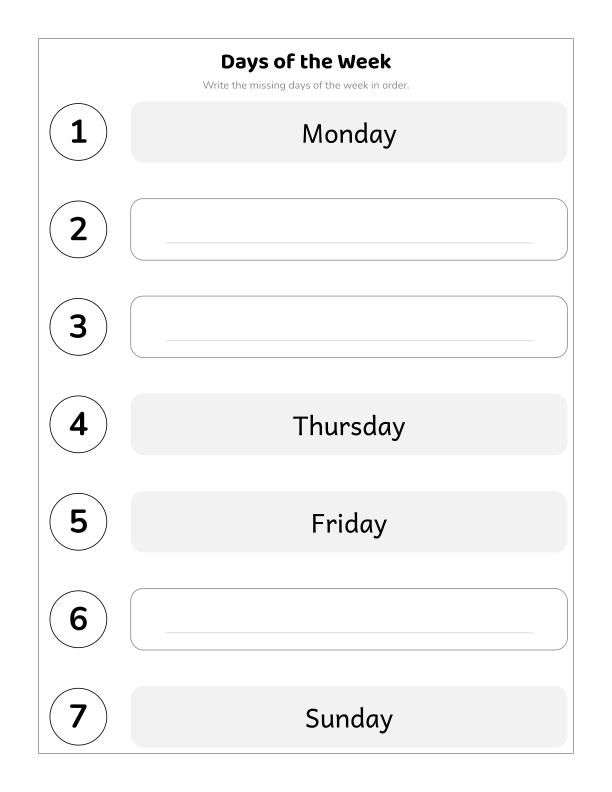
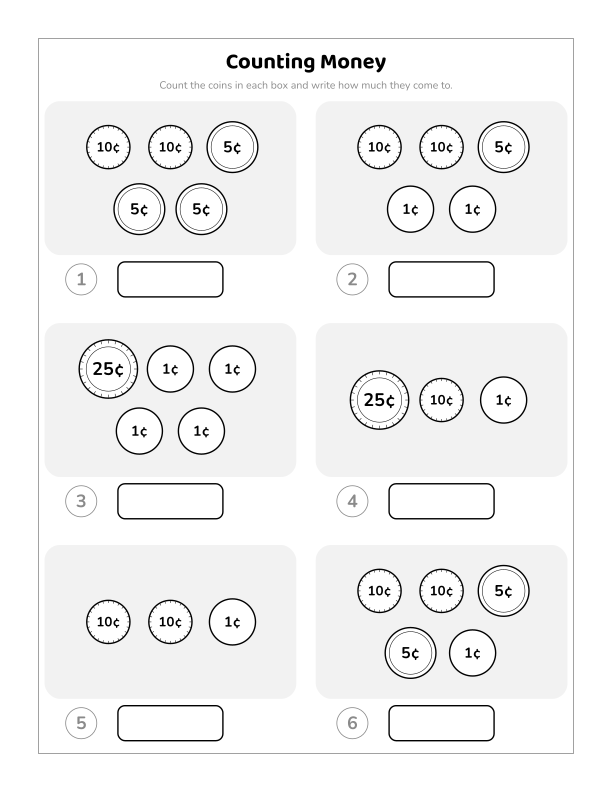
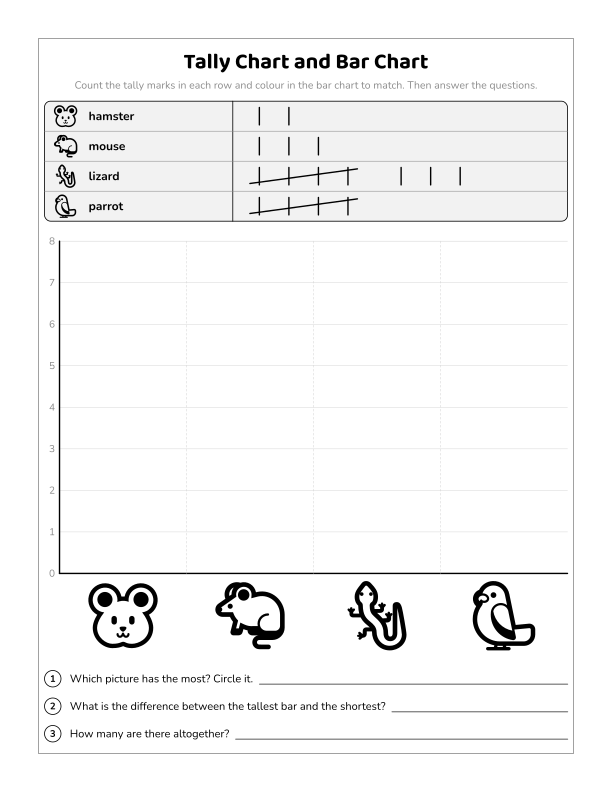
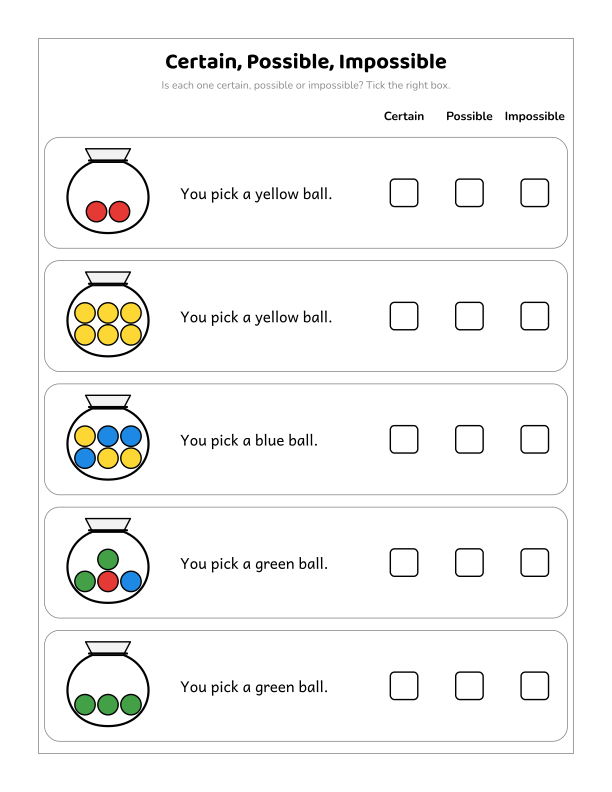
All activities →Clocks, calendars, coins, charts and chance.
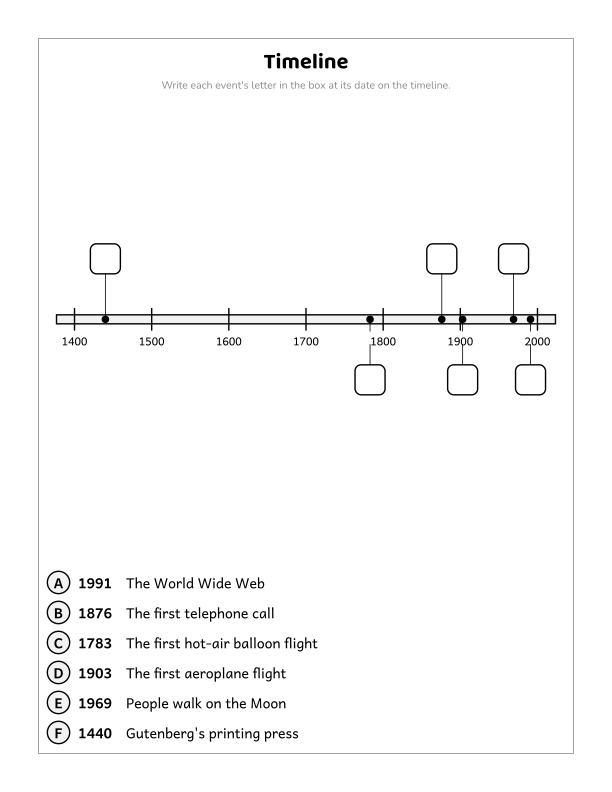
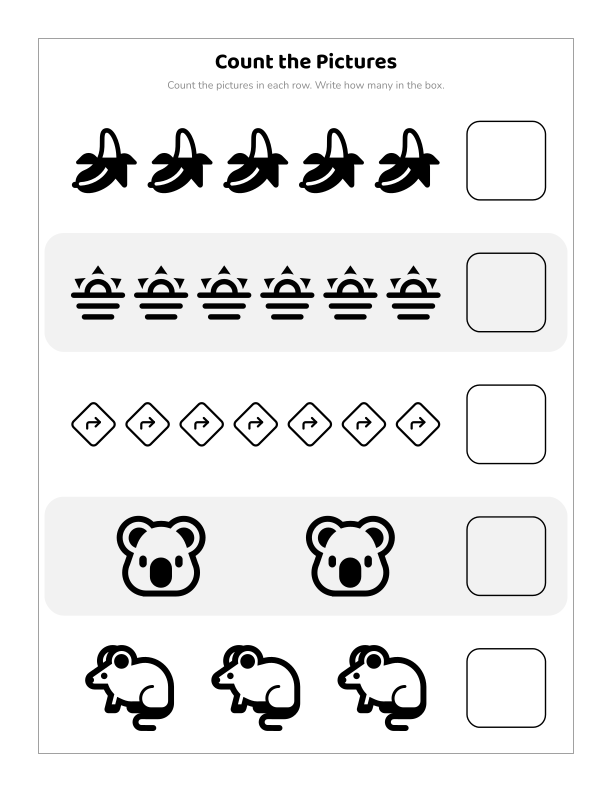
Put it in a book with other pages: covers, answer keys and a certificate are free.
Start building